Parker Schulz · 2 September 2026
The Polish government has approved a substantial funding package aimed at reinforcing docks along the Baltic Sea coast. The decision, announced by the Ministry of Infrastructure, allocates 320 million PLN over the next four years to upgrade critical port infrastructure in Gdansk, Gdynia, and Szczecin. Officials cite increasing storm intensity and rising sea levels as primary drivers for the initiative.
Allocation of Funds
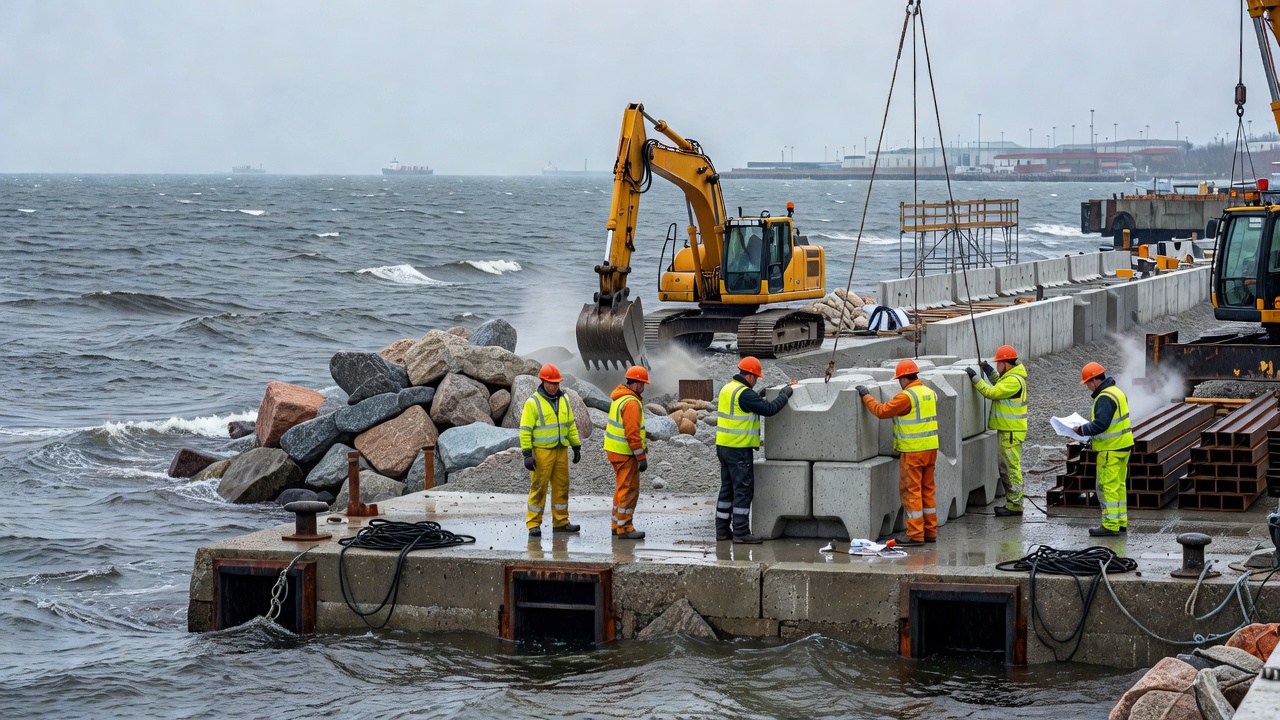
The funding will support structural reinforcements including new sheet piling, concrete barriers, and advanced drainage systems. Approximately 45 percent of the budget targets Gdansk port facilities, where recent surveys indicated accelerated erosion rates exceeding 2.5 centimeters annually. Additional allocations will finance geotechnical assessments and the installation of monitoring sensors to track structural integrity in real time. Local authorities expect construction to begin in early 2026, with phased completion by 2029. The program also includes training modules for port engineers on climate-resilient design standards developed through national research partnerships.
Industry representatives welcomed the announcement, noting that reinforced docks will enhance cargo handling capacity during adverse weather events. Preliminary economic models project a 12 percent reduction in weather-related downtime at upgraded terminals. Environmental impact assessments are underway to ensure minimal disruption to marine habitats during construction phases.
Expected Outcomes for Maritime Infrastructure
Long-term benefits include improved resilience against extreme wave action and better support for ongoing coastal research initiatives. Data collected from new sensor networks will contribute to broader studies on sediment transport and shoreline dynamics in the southern Baltic region. Government projections estimate that the upgrades will extend the operational lifespan of key dock structures by at least 25 years while reducing annual maintenance costs by 18 percent.
Stakeholders emphasize coordination with European Union maritime safety frameworks to align reinforcement standards with regional guidelines. The initiative forms part of Poland's broader national adaptation strategy addressing climate vulnerabilities in coastal zones. Progress reports will be published quarterly to maintain transparency on expenditure and engineering milestones.